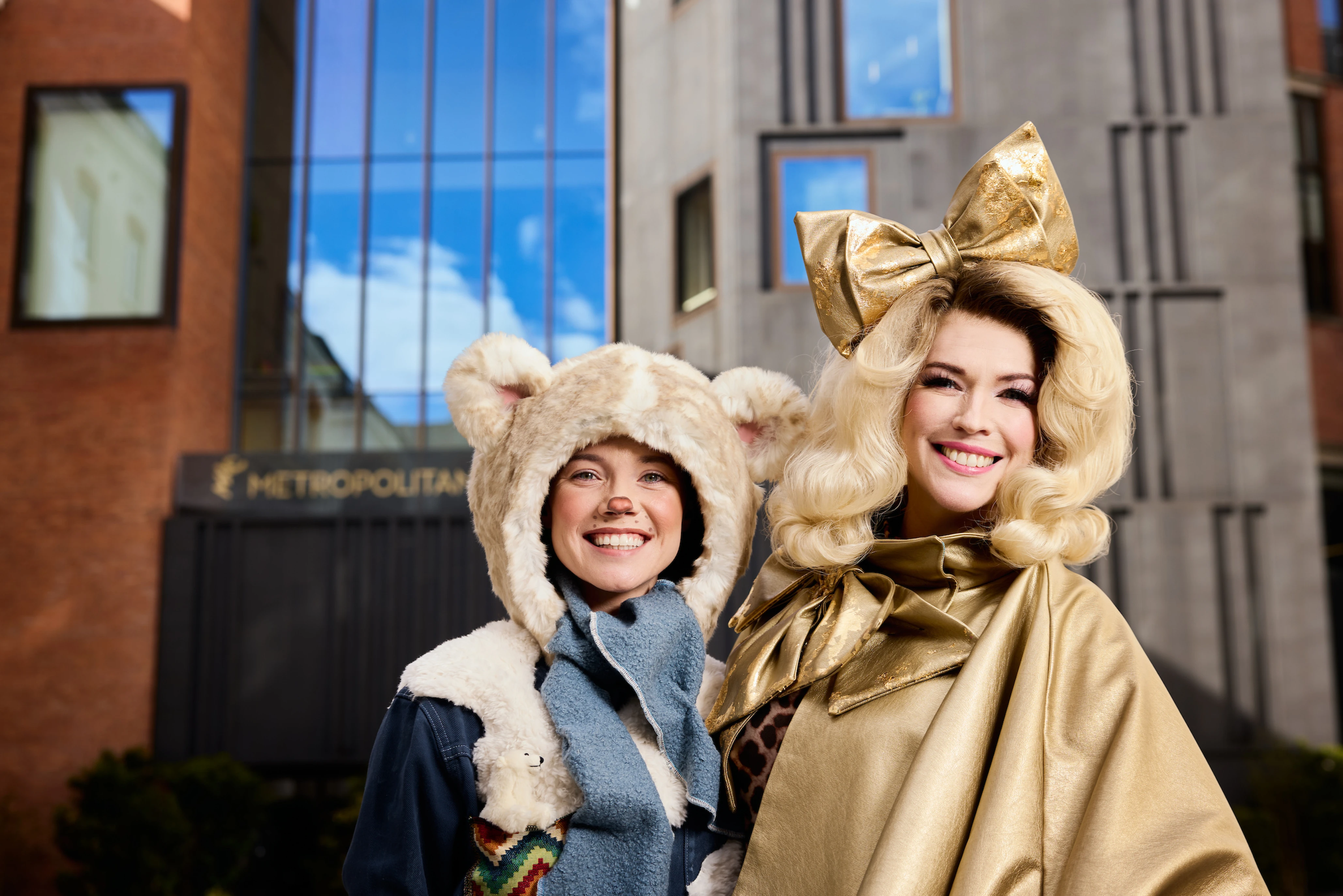
Forget silent nights, this Christmas it's all about bear-sized laughs, festive fun and just the right amount of mayhem as ‘Goldilocks and the Three Bears’ arrives atthe MAC.
The MAC is inviting audiences to step into a magical wintery woodland for its enchanting new festive production. Packed with original music, festive fun and plenty of laugh-out-loud chaos, this year's Christmas show combines big-hearted storytelling with all the magic, mischief and wonder audiences have come to expect from Christmas at the MAC.
A family favourite for generations, ‘Goldilocks and the Three Bears’ has been given a fresh new twist by acclaimed Northern Irish playwright Ciarán Haggerty and director Patrick J O'Reilly.
At the centre of this poignant story is Baby Bear, a newly adopted cub who arrives at his new forest home with a tiny suitcase and one big wish: to belong. Waiting to welcome him are the wonderfully overexcited Mummy Bear and Daddy Bear.
Eager to impress his new family, Baby Bear finds himself at the heart of a series of hilarious mishaps as he tries to prove he can be the perfectly behaved cub. But when the fabulous, and very wicked, showgirl Goldilocks arrives in search of a new theatrical sidekick, Baby Bear quickly finds himself facing an unexpected choice.
Speaking about the production, Head of Live Programming at the MAC, Julie Stewart said:
"Everyone thinks they know the story of Goldilocks and the Three Bears, but we've had great fun turning expectations upside down and creating something full of laughter, heart and Christmas magic. Whether you're five or ninety-five, there's something in this show for everyone. It has all the ingredients for a brilliant festive family trip, from big songs and bigger laughs to moments that will stay with audiences long after they leave the theatre."
The magic doesn't stop when the curtain comes down, with the MAC helping to spread some festive cheer beyond the stage this Christmas.
Through a partnership with fonaCAB, funding will be available for schools to help cover the cost of transport to and from the theatre, removing one of the biggest barriers to attending and helping more children enjoy an unforgettable trip to the show this Christmas.
Families attending the show or just visiting the MAC this Christmas are also encouraged to bring along a new teddy bear and the MAC will ensure their donated teddy makes its way to Cash for Kids Mission Christmas charity appeal, supporting children and families across Northern Ireland and helping ensure a little Christmas magic reaches far beyond the theatre doors.
Whether Christmas at the MAC is already part of your family's festive traditions or you're looking to start a brand-new one, ‘Goldilocks and the Three Bears’ promises a fun-filled festive adventure that's warm, funny and most importantly, ‘just right’.
Some cookies are necessary for us to manage how our website behaves while other optional, or non-necessary, cookies help us to analyse website usage. You can Accept All or Reject All optional cookies or control individual cookie types below.
You can read more in our Cookie Notice
Functional
These cookies enable core functionality such as security, network management, and accessibility. You may disable these by changing your browser settings, but this may affect how the website functions.
Analytics cookies
Analytical cookies help us to improve our website by collecting and reporting information on its usage.
Third-Party Cookies
These cookies are set by a website other than the website you are visiting usually as a result of some embedded content such as a video, a social media share or a like button or a contact map